Tiny Barbie: A Handwritten Font Review for Makers
Last week I sat down to finalize a new candle label for my shop. The scent was a light vanilla lavender, and I wanted the packaging to feel just as soft and approachable. I had tested a handful of handwritten fonts over the previous days, but something kept pulling me back to Tiny Barbie. It had that easy, friendly look I was after—warm without being childish, decorative without feeling fussy. After placing it on my mockup, I knew I had found the right match. The label suddenly felt complete, like the font had been waiting for that exact product all along.
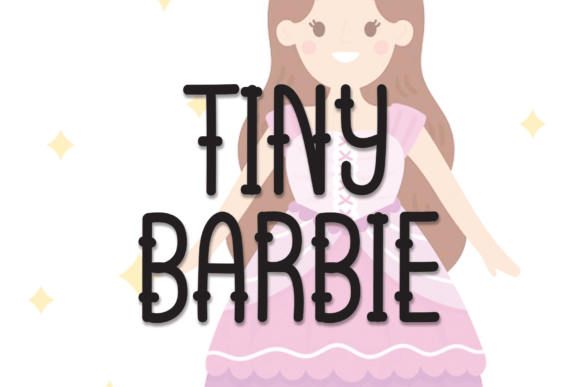
Tiny Barbie is a sweet and friendly handwritten typeface from the Script Amp category. It carries a light, playful spirit that makes it perfect for all kinds of creative projects, from wedding invitations and greeting cards to product packaging and digital downloads. In this review, I want to share how Tiny Barbie performs across real maker applications—labels, stickers, signs, tags, merchandise, and more—so you can decide if this font deserves a spot in your own crafting toolkit.
What Makes Tiny Barbie Stand Out for Handmade Products
The first thing I noticed about Tiny Barbie is its natural, unforced charm. The letterforms feel like they were drawn by hand with a steady, relaxed stroke. There is no stiffness here—each character carries a gentle bounce that makes the text feel alive. This is not a rigid script font designed for formal documents; it is a handwritten font built for warmth and connection.
For a handmade business owner, that emotional quality matters. When a customer picks up a candle or reads a greeting card, the typography sets the tone before they even absorb the words. Tiny Barbie communicates something simple and genuine. It says, this was made with care. That is exactly the impression you want on boutique packaging, personalized gifts, and limited-edition product runs.
The font works beautifully on short phrases, names, and decorative titles. I tested it on a sticker sheet for a small batch of birthday party favors, and the result was instantly appealing. The letters held their shape well, even when I scaled them down for tiny tag details. For product labels, greeting cards, and wall art prints, Tiny Barbie brings a lighthearted polish that feels professional yet personal.
Real Maker Applications: From Candle Labels to Tote Bags
I tested Tiny Barbie across several product formats that are common in the handmade space. Here is how it performed in each setting.
Candle Labels and Product Packaging
Candle labels are a tricky balance. You need the text to be readable at a glance, but you also want it to enhance the aesthetic of the jar. Tiny Barbie worked beautifully on a 2-inch wide label for a vanilla lavender candle. The font’s open, friendly letters stayed clear even at a modest size, and the handwritten quality added a cozy feel that matched the scent profile. I paired it with a clean sans serif font for the scent notes and ingredients list, which kept the overall label organized and easy to scan.
Greeting Cards and Wedding Invitations
The product description mentions wedding invitations, and I can confirm Tiny Barbie is a strong choice for that use case. I used it for the main headline on a greeting card mockup, and the result felt both romantic and playful. It would work beautifully for save-the-date cards, bridal shower invites, or any stationery where you want a handwritten touch without going overly ornate. For longer invitation text—like event details or directions—I recommend pairing it with a simple serif or sans serif font to maintain readability.
Stickers and Planner Pages
Sticker sheets are a staple for many printable creators, and Tiny Barbie holds up nicely in this format. I tested it on a set of planner stickers with short phrases like today is good and you are loved. The font’s natural rhythm made each sticker feel like a little piece of art. For very small stickers—under half an inch—the finer details can become less distinct, so I suggest testing your cut file settings if you plan to use Tiny Barbie at tiny sizes. For most standard sticker sizes, though, it performs well.
Tote Bags and T-Shirts
Merchandise like tote bags and t-shirts often rely on bold, readable typography. I tested Tiny Barbie on a fabric mockup for a simple tote bag design with the word kind centered on the front. The handwritten style gave the design a handmade, artisanal feel that would appeal to boutique shoppers. For t-shirt designs, I would keep the text short—a single word or a short phrase works best. The font is not designed for long paragraphs, but for a focused message on apparel, it shines.
Readability, Cutting Machines, and Practical Production Tips
One of the most important factors for any maker is how a font behaves in production. I tested Tiny Barbie with my cutting machine on a few small-scale projects, and I have a few observations that may help you avoid common pitfalls.
- Scale matters. Tiny Barbie works best at medium to large sizes. For product labels, greeting cards, and wall art, you will have no trouble. For extremely small cuts—like micro stickers or tiny tags—the thinner strokes may lose definition. Always do a test cut before running a full batch.
- Letter spacing. The font has a natural, hand-drawn spacing that feels organic. However, if you are working with very short words or monogram-style designs, you may want to adjust the tracking slightly to improve balance. A small tweak in your design software can make a big difference.
- File formats. Before you start designing, check that you have the correct file format for your workflow. Most font files come in OTF or TTF format, which work with design software like Adobe Illustrator, Canva, Cricut Design Space, and Silhouette Studio. Make sure your version includes the formats you need for both digital and physical production.
- Multilingual support. If you sell to an international audience, verify that Tiny Barbie includes the special characters and accents you may need. This is especially important for product labels or printables that will be used outside English-speaking markets.
Font Pairing: Getting the Best from Tiny Barbie
No font works alone in a well-designed product. Tiny Barbie shines brightest when paired with a clean, simple companion font. For body text, ingredient lists, event details, or any longer copy, I recommend choosing a straightforward sans serif or a light serif. A font like Montserrat, Open Sans, or Lato provides a calm counterbalance to Tiny Barbie’s playful energy. If you prefer a serif option, try something like Merriweather or Playfair Display for a more editorial feel.
For branding applications—like a logo or shop name—you can also pair Tiny Barbie with another handwritten font, as long as the styles contrast enough to avoid visual clutter. A bolder script or a clean all-caps display font can create a nice hierarchy. The key is to let Tiny Barbie lead the emotional tone while the supporting font handles the practical information.
Licensing and Commercial Use Considerations
If you plan to use Tiny Barbie on physical products for sale—candles, stickers, apparel, prints, or any other merchandise—you need to confirm the commercial license terms. Fonts in the Script Amp category and similar marketplaces often offer standard desktop licenses that cover most small business needs. However, if you plan to sell digital products like templates, printables, or SVG-style designs, you may need an extended license. Always read the licensing agreement carefully before launching your products. This step protects your business and ensures you are using the font legally across all your projects.
Where Tiny Barbie Fits in Your Creative Workflow
Tiny Barbie is not a font for every job. I would not recommend it for long body copy, dense instructional text, or highly technical product labels where clarity must come before charm. It also may not be the best choice for very small cuts or detailed micro-typography in cutting machine projects. But for the projects where warmth, personality, and a handmade feel are the priority, Tiny Barbie delivers beautifully.
Whether you are designing candle labels for a new scent, creating a set of greeting cards for a holiday collection, or building your shop’s visual identity, this font adds a layer of friendliness that customers will notice. It helps your products feel approachable, personal, and made with real care.
After spending time with Tiny Barbie across labels, stickers, cards, and merchandise mockups, I can say this: it is a font that knows its purpose. It is not trying to be a serious editorial typeface. It wants to be the warm hello on a gift tag, the playful headline on a party invitation, the gentle word on a candle jar. And in that role, it is exactly right.