Alea Font: Building a Consistent Brand with Heartfelt Script
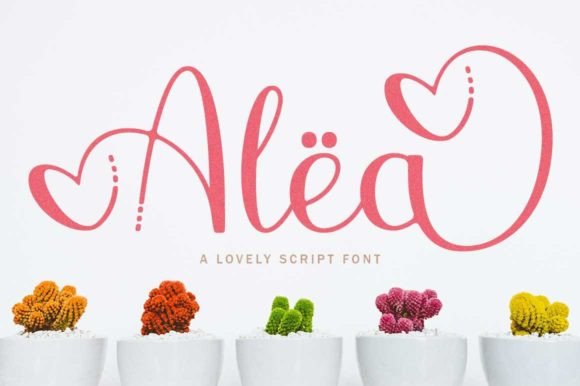
Every small business owner knows the challenge of making a brand look polished without spending a fortune on design. You want customers to see your logo, product label, or social media post and immediately feel something—trust, warmth, recognition. That’s where the right font becomes one of your most practical tools. Alea is a script font that brings delicate strokes, graceful curves, and those heart-shaped tails that turn letters into expressions of care. It’s not just another pretty typeface; it’s a way to give your brand a consistent, professional voice across everything you create.
What Makes Alea Stand Out for Your Brand
Alea belongs to the Script Amp category, and it immediately feels like a handwritten note from someone who genuinely cares. The heart-shaped tails aren’t gimmicky—they add a soft, romantic touch without overwhelming your message. This font has a natural flow that makes it ideal for businesses that want to convey warmth, elegance, or a personal connection. Whether you run a bakery, a handmade candle shop, a beauty product line, a wedding planning service, or a small café, Alea can become the visual anchor that sets your brand apart from generic, off-the-shelf designs.
What I appreciate about Alea is that it doesn’t scream for attention. It invites it. The letterforms are graceful but still readable, which is crucial when you’re putting your brand name on a business card or a product label. It has a personality that feels both modern and timeless, making it a versatile choice for boutique owners, independent creators, and startup founders who want to look established without feeling corporate.
Real Business Uses for Alea
Let’s talk about where Alea shines in your daily business materials. This font works beautifully as a display or headline font because its curves draw the eye. Here are a few specific ways you can put it to work:
- Logo Design – Alea gives your logo a handcrafted feel. If you’re a baker, a florist, or a wedding stationery designer, using Alea for your business name instantly communicates that you pour care into every detail.
- Product Labels and Packaging – For handmade candles, soaps, or skincare products, Alea on the label makes the product feel special. Customers often pick up items because the packaging speaks to them—Alea’s heart-shaped tails add that subtle, memorable touch.
- Business Cards and Thank-You Cards – When you hand someone your card, you want them to remember you. Alea on a simple card feels personal and approachable, perfect for service providers like wedding photographers, event planners, or life coaches.
- Menus and Flyers – A café or restaurant using Alea for menu headers creates a cozy, inviting atmosphere. It works well for dessert menus, brunch specials, or charming little corner stores.
- Website Banners and Social Media Graphics – On your homepage hero image or an Instagram post announcing a new product, Alea adds a handwritten quality that stands out in feeds full of generic sans serif text. It’s especially effective for Pinterest graphics where the aesthetic matters as much as the content.
- Digital Ads and Email Headers – Even in a small Facebook ad or an email newsletter, using Alea for your headline can increase click-through rates because it feels more human than a standard font.
Building Professional Consistency Across Touchpoints
One of the biggest struggles for small business owners is keeping a consistent look across all customer-facing materials. You might have a logo that you love, but then your social media graphics look completely different from your product labels. When you settle on a core set of fonts—and choose Alea as your signature script—you create a thread that ties everything together. Consistency builds trust. When customers see the same elegant lettering on your packaging, your website, and your thank-you cards, they subconsciously recognize that you run a professional operation, even if you’re working from your kitchen table.
For example, a boutique owner selling handmade jewelry can use Alea for the brand name on the tag, the same font in the header of her online shop, and again on the Instagram story announcing a new collection. That repetition makes the brand feel intentional, not accidental. It also makes it easier for customers to remember you. In a crowded marketplace, a distinctive script like Alea helps your business stick in the mind long after someone scrolls past your post or walks away from your booth.
Using Alea as a Headline, Accent, or Supporting Font
Not every piece of text needs to be in Alea. In fact, using it sparingly often yields the best results. I recommend treating Alea as your accent or display font—the one you use for headlines, your business name, product names, or short phrases that need emotional weight. For longer body copy, such as ingredient lists on a label, product descriptions on your website, or menu item details, you’ll want to pair it with a clean, readable sans serif font or a simple serif font. This contrast keeps your materials easy to read while preserving the personality that Alea brings.
Think of Alea as the voice you use for the most important words. Your brand name, for instance, should feel special. Your tagline can also benefit from Alea’s elegance. But when you write a paragraph about how you source your ingredients, let a neutral sans serif handle that work so your reader isn’t straining to follow along. This kind of thoughtful font pairing makes your design look polished and professional, whether you’re working on packaging design, web design, or social media graphics.
Readability in Real Business Settings
One concern business owners often raise with script fonts is readability, especially on small spaces like product labels or mobile screens. Alea is designed with legibility in mind. The strokes are clear, and the letter shapes are distinct enough that you won’t confuse an “a” with an “o” or a “c” with an “e.” That said, it’s always smart to test your font at the sizes you’ll actually use. Print a mockup of your label, view your website on a phone, and see how Alea performs at 14 points versus 36 points. If you’re using it on a small candle tin where space is tight, consider placing Alea in a slightly larger size for the brand name and switching to a sans serif for any extra text.
If you’re designing a social media post that will appear as a thumbnail on Instagram, make sure Alea’s heart-shaped tails don’t get lost at small dimensions. A quick test on your own phone will tell you if the font still carries the feeling you want. Most of the time, Alea holds up beautifully because its curves are deliberate, not messy.
Practical Advice Before You Commit
Before you roll out Alea across your entire brand, spend a week testing it in a few places. Create a single product label using Alea and see how customers react. Make one Instagram graphic with it and compare engagement to your regular posts. Ask a few trusted friends or customers if the font feels right for your business. This low-stakes testing can save you the headache of rebranding later. You might discover that Alea is perfect for your logo but not for your website menu, or that it works best as an accent on thank-you cards rather than your main packaging font.
Font Pairing Ideas That Work
Alea pairs naturally with clean, neutral typefaces that let its charm shine. Here are a few practical combinations:
- With a Sans Serif Font – A simple sans serif font like a classic geometric or humanist style keeps your brand modern and readable. Use the sans serif for body text and Alea for headlines.
- With a Light Serif Font – If you want a more romantic or editorial feel, pair Alea with a delicate serif font. This works especially well for wedding-related businesses, stationery, or beauty brands.
- With a Handwritten Font – If your brand leans casual and artistic, you can even pair Alea with a more relaxed handwritten style, but keep the contrast clear—use one for titles and the other for short accents.
Remember that font pairing is about balance. You don’t want two decorative fonts competing for attention. Let Alea be the star on your logo and headers, and let a simpler typeface support it everywhere else.
Checking Licensing for Commercial Use
Before you use Alea on products, packaging, templates, merchandise, client projects, or anything you sell, read the commercial license carefully. Many premium fonts require an extended license for use on physical products or digital goods you distribute. As a small business owner, it’s your responsibility to ensure you’re compliant. A proper license protects you and supports the font designer who created Alea. When in doubt, reach out to the font foundry or marketplace where you purchased it. They can clarify what’s included in the standard license and what requires an upgrade.
Using a font like Alea without the right licensing can lead to legal headaches down the road, especially if your business grows and you start selling products with that font on the packaging. Treat this step as part of your professional setup, just like registering your business or buying insurance.
Why Alea Belongs in Your Brand Toolkit
Alea is more than a pretty script. It’s a practical choice for any small business owner who wants to communicate warmth, care, and professionalism without spending hours on complex design. Whether you’re designing a logo for a new candle line, creating menus for your café, or refreshing your social media graphics, Alea gives you a consistent, recognizable voice that customers will remember. Its heart-shaped tails and graceful letterforms make every word feel intentional, and that’s exactly the feeling you want your brand to leave behind.
Start small. Test it on one piece of your marketing. See how it feels when it represents your business. More often than not, you’ll find that a font like Alea can be one of the most affordable and effective branding investments you make.